Who are we?
The City & Guilds College Union (CGCU) is the official Engineering students' union for the Faculty of Engineering at Imperial College London. We form constituent part of Imperial College Union and represents a community of more than 10,000 undergraduate and postgraduate students.
Our Union membership spans most Imperial Engineering departments, including Aeronautics Engineering, Bioengineering, Chemical Engineering, Civil & Environmental Engineering, Design Engineering, Electrical & Electronic Engineering, Mechanical Engineering, and Computing. The Materials and Earth Science & Engineering departments are instead represented by the Royal School of Mines Union, reflecting Imperial's historic structure.
Named after the former City & Guilds College (one of Imperial's founding institutions), CGCU preserves a heritage stretching back more than a century. Our members, known as Guildsmen and Guildswomen, share in traditions that remain central to Imperial's engineering identity, including the Mascot Battle & Annual Welcome Dinner, which all held for over 110 years.
Alongside our traditions, our Union plays an active role in student life: supporting students' academic and welfare needs, fostering collaboration between departments, and advocating for interests of engineers across the College.
Our history
Origins: City & Guilds of London Institute (1878)
The roots of the City & Guilds College Union (CGCU) date back to 1878, when City and Guilds of London Institute was established by the City of London and 16 livery companies aim to advance technical education in Britain. To achieve this mission, the Institute founded the Central Technical College in South Kensington, which opened in 1884 as one of the first dedicated engineering schools in the country.
The foundation stone for the new college was laid by the King Edward VII in 1881, and the institution was soon granted royal charter in 1900 by Queen Victoria. From the very beginning, its students formed a community that shares the passion for engineering and a growing sense of identity, laying foundation for tradition that CGCU still carries forward today.
Becoming City & Guilds College (1907-1910)
In 1907, the Central Technical College was renamed City & Guilds College and merged with two other institutions: the Royal College of Science and the Royal School of Mines. Together, all three formed the Imperial College of Science and Technology. By 1910, City & Guilds College officially became the engineering constituent college.
At the same time, all student societies came together to form the Imperial College Union, with the City & Guilds College Union established as one of its founding constituent bodies. From that point, CGCU became the recognised voice of Imperial's engineers.
Growth and Change in the 20th Century
Throughout the 20th century, City & Guilds College, together with its Student Union, grew along with Imperial. A major expansion took place with the completion of the Goldsmiths' Extension in 1914, which doubled the college's size and number of students.
The original Victorian buildings were eventually replaced during post-war redevelopment, and the old City & Guilds College building was demolished in 1962. In 1985, the college had over 2,200 engineering students, and the CGCU had become the symbol of sense of tradition and most of our giant mascots were made during this period.
Reorganisation and Legacy (2001-Present)
In 2001, Imperial College reorganised its academic structure, abolishing the old constituent colleges and introducing a faculty system. The City & Guilds College ceased to exist, with its departments becoming part of the unified Faculty of Engineering.
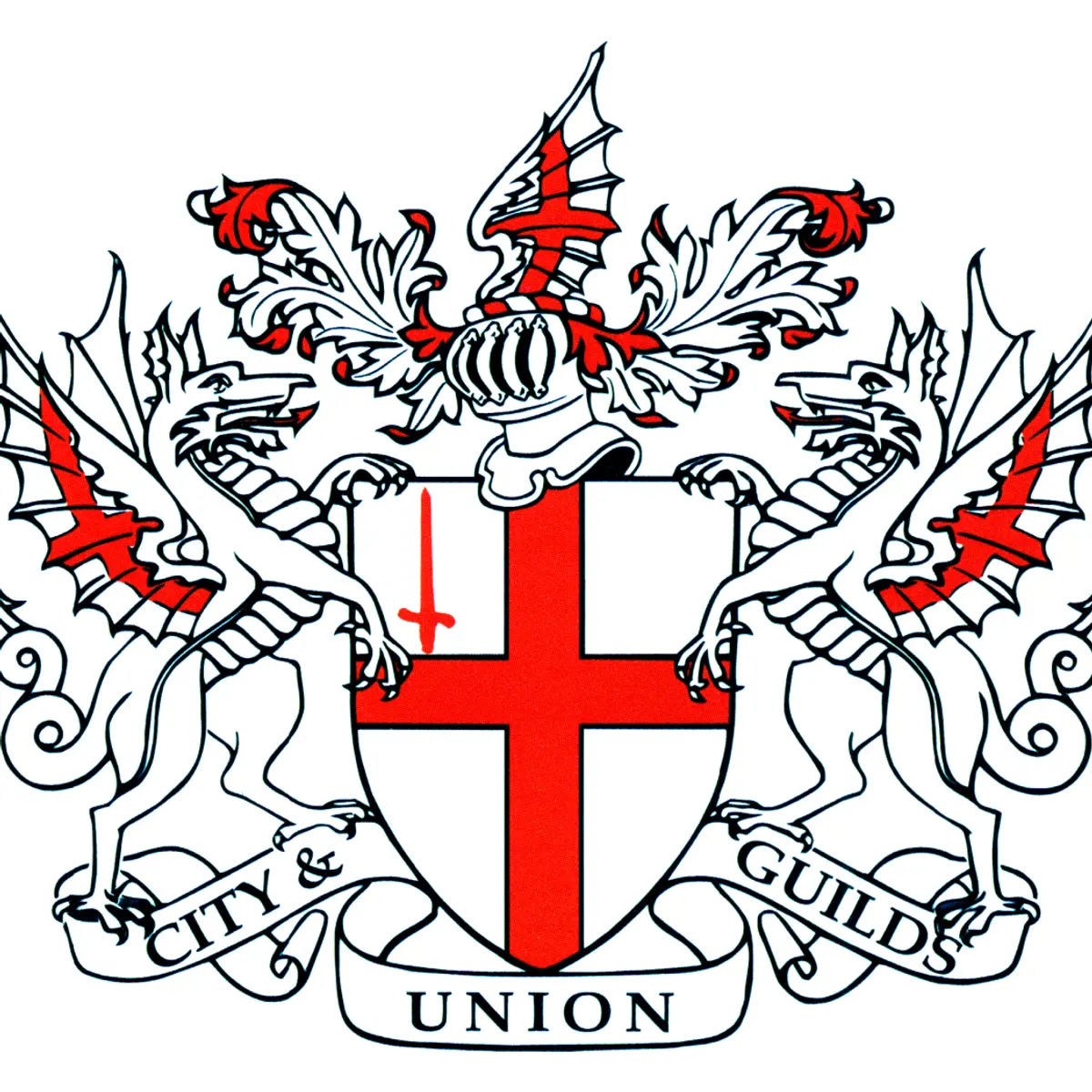
However, its heritage lived on through the City & Guilds College Union, which continues to represent Imperial's engineers and proudly preserves the name, traditions and Coat of Arms. In 2013, Imperial recognised this legacy by renaming one of its main engineering buildings the City and Guilds Building, ensuring the historical contribution of the college remains visible on campus.
Today, the CGCU stands as a bridge between past and present. We honour over a century of engineering heritage while continue to represent, support, and connect Imperial engineering students within one of the world's leading institutions.
Our Mascots & Traditions
The mascots of the City & Guilds College Union are central to our heritage. Each of them has their own story, and together they carry forward more than a century of engineering pride and tradition.
Boanerges ("Bo")
Boanerges, or "Bo", is a 1902 James & Browne motorcar bought by students in the 1930s. Still in running condition, he takes part in the London to Brighton Veteran Car Run each year. In 1956, Bo was famously pulled over by police for "speeding" at 27 mph, proving it is legendarily fast. Today, Bo is maintained by dedicated student volunteers (Team Bo') and remains the pride of Guilds.
Derrick
Derrick is a 1926 Ner-a-Car motorcycle, known for his unusual long design. He is lighter and quicker than Bo, but no less historic. Derrick once "escaped" during an RCSU mascot ride, and it was only to be paraded triumphantly back into Guilds territory by engineers. Together, Bo and Derrick are symbols of creativity and perseverance, kept alive by the work of each new generation of students.
The Spanner
The bronze Spanner weighs 64 lbs and was originally cast to tighten bolts on Tower Bridge. Officially carried by the Union's Spanner Bearer, it has also been the focus of countless mascot raids. While a stand-in ensures the real Spanner is always protected, we remain ready to rise to the challenge of anyone daring to try their luck.
The Bolt
The Bolt, a 68 lb cast-iron wheel nut, is the Spanner's heavy companion. Like its partner, they always appear at dinners, parades, and countless photo calls. One famous story tells of the Bolt being placed on a office committee table, only for it to leave a permanent dent that is still pointed out with pride today.